Commercial skippering is not one single licence. It is a pathway that depends on the vessel size, operating area, sea service and the type of maritime work you want to do. Match your vessel, role and operating area to the correct certificate pathway. Study navigation, safety, seamanship, legislation and vessel operations. Keep accurate records of qualifying time on suitable commercial vessels. Submit your application once training and certificate requirements are met. A commercial skipper needs the right certificate for the vessel and operation. For some people that pathway starts with Coxswain. For others it may lead toward Master less than 24 metres, Master less than 45 metres, or higher qualifications. The right choice depends on the size of the vessel, where it operates, whether passengers are carried, the work being performed and the sea service already held by the candidate. A commercial skipper is the person responsible for safely operating a domestic commercial vessel. The role may involve planning the voyage, checking weather and tides, managing crew, supervising passengers, operating the vessel, responding to emergencies and making safe decisions on the water. In Australia, becoming a commercial skipper is not about holding one generic boat licence. The certificate you need depends on the vessel, the operation and the waters you intend to work in. A person operating a small tender will usually need a different pathway from someone wanting to command a larger tourism, fishing, workboat or charter vessel. For many new entrants, the pathway begins with Coxswain and then progresses to Master less than 24 metres Near Coastal or Master less than 45 metres Near Coastal as experience, sea service and career goals develop. The first step is to identify what you actually want to do on the water. Commercial skippering can cover tourism, fishing, aquaculture, tenders, workboats, government operations, marine construction and vessel support. Each operation can have different certificate requirements. Once the intended vessel and operation are clear, you can choose the right maritime training pathway. This may include Coxswain Grade 1 Near Coastal, Master less than 24 metres Near Coastal, Master less than 45 metres Near Coastal, or a related engineering qualification depending on the role. Training is only part of the process. Candidates also need to satisfy the relevant sea service, medical, identity and application requirements before a Certificate of Competency can be issued by AMSA. Suitable for many smaller commercial vessel roles, tenders, tourism support, aquaculture and entry-level commercial operations. Often suited to candidates wanting to command larger domestic commercial vessels and take on broader operational responsibility. A progression pathway for experienced mariners working toward larger vessel command and higher-level near coastal operations. Sea service is one of the areas that causes the most confusion for people entering the commercial maritime industry. It is not enough to simply say you have spent time on boats. Your sea service generally needs to be relevant to the certificate you are applying for and recorded in a way that can be assessed. The type of vessel, the duties performed, the operating area and the evidence available can all matter. Candidates should keep records early, collect supporting evidence and avoid leaving sea service documentation until the end of their course. ECA Maritime College helps students understand the training pathway, but AMSA is the authority responsible for assessing applications and issuing Certificates of Competency once the requirements have been met. A commercial skipper qualification pathway can support employment across a wide range of maritime sectors. Depending on the certificate held, experience and vessel operation, opportunities may exist in tourism, charter, fishing, aquaculture, marine logistics, port services, government support, workboats and remote vessel operations. Many students start with a smaller vessel pathway and then continue upgrading as their sea service and career direction grow. This makes early planning important, because the course you choose today can influence the next licence pathway available to you later. Coxswain is commonly used as an entry point for smaller commercial vessel operations. Master qualifications are generally used where the vessel size, area of operation or command responsibility increases. The right pathway is not always the highest qualification immediately. It is the qualification that matches your current experience, your sea service, your vessel goal and your realistic next step in the industry. If you are unsure whether to start with Coxswain, Master less than 24 metres or Master less than 45 metres, ECA can help you review the pathway before you enrol. ECA Maritime College is one of Australia's longest-running privately owned maritime Registered Training Organisations (RTOs), still owned and operated by its original founder. With more than 40 years of maritime industry experience and many years delivering nationally recognised maritime training, ECA understands the reality of working commercial mariners, remote students, vessel operators and people trying to move from recreational boating into professional maritime work. Students train through live online classes, practical maritime environments and support from people who understand the licensing pathway. The aim is not just to complete a course, but to help students understand the steps between training, sea service, assessment and certification. Start with the end goal. Vessel size, operating area and the type of work will guide the licence pathway. ECA can help identify whether Coxswain, Master 24m or Master 45m is the right next step. Training includes safety, vessel operations, navigation, seamanship, legislation and operational decision-making. Sea service needs to match the certificate pathway. Accurate records matter. AMSA issues the certificate once all application requirements have been satisfied. For smaller commercial vessel operations and people beginning their commercial maritime pathway. Compare ECA's maritime licence pathways and choose the course that matches your goals. Not sure where to start? The ECA team can help you work out the right training pathway. ECA delivers maritime training with live online classes, practical maritime experience and support for students working through commercial licence pathways. It depends on the vessel size, operating area and work you want to do. Many people begin with Coxswain and then progress to Master qualifications. Yes, most commercial certification pathways require suitable sea service. The amount and type depends on the certificate being sought. ECA delivers many theory components through live online Zoom classes, with practical assessment completed separately where required. No. ECA provides training and assessment. AMSA issues Certificates of Competency once all requirements are met. That depends on your experience, sea service and vessel goals. ECA can help you choose the most suitable starting point. Depending on the certificate held and the vessel operation, commercial skipper pathways can support work in tourism, charter, fishing, aquaculture, workboats, tenders, port support and government marine roles. No. A recreational boat licence is different from a commercial maritime Certificate of Competency. Commercial vessel operations require the correct commercial certificate for the vessel and operation. Many mariners progress from Coxswain into higher Master pathways as they build experience, sea service and industry goals. View ECA Maritime College marine licence pathways and choose the right starting point.
How to Become a Commercial Skipper in Australia
Choose Your Licence Goal
Complete Training
Build Sea Service
Apply to AMSA
What does a commercial skipper actually need?
What is a commercial skipper?
Best starting point
How to become a commercial skipper in Australia
Common skipper pathways
Coxswain pathway
Master <24m pathway
Master <45m pathway
Sea service requirements explained
Documents to keep organised
Commercial skipper career opportunities
Coxswain vs Master qualifications
Why choose ECA Maritime College for commercial skipper training?
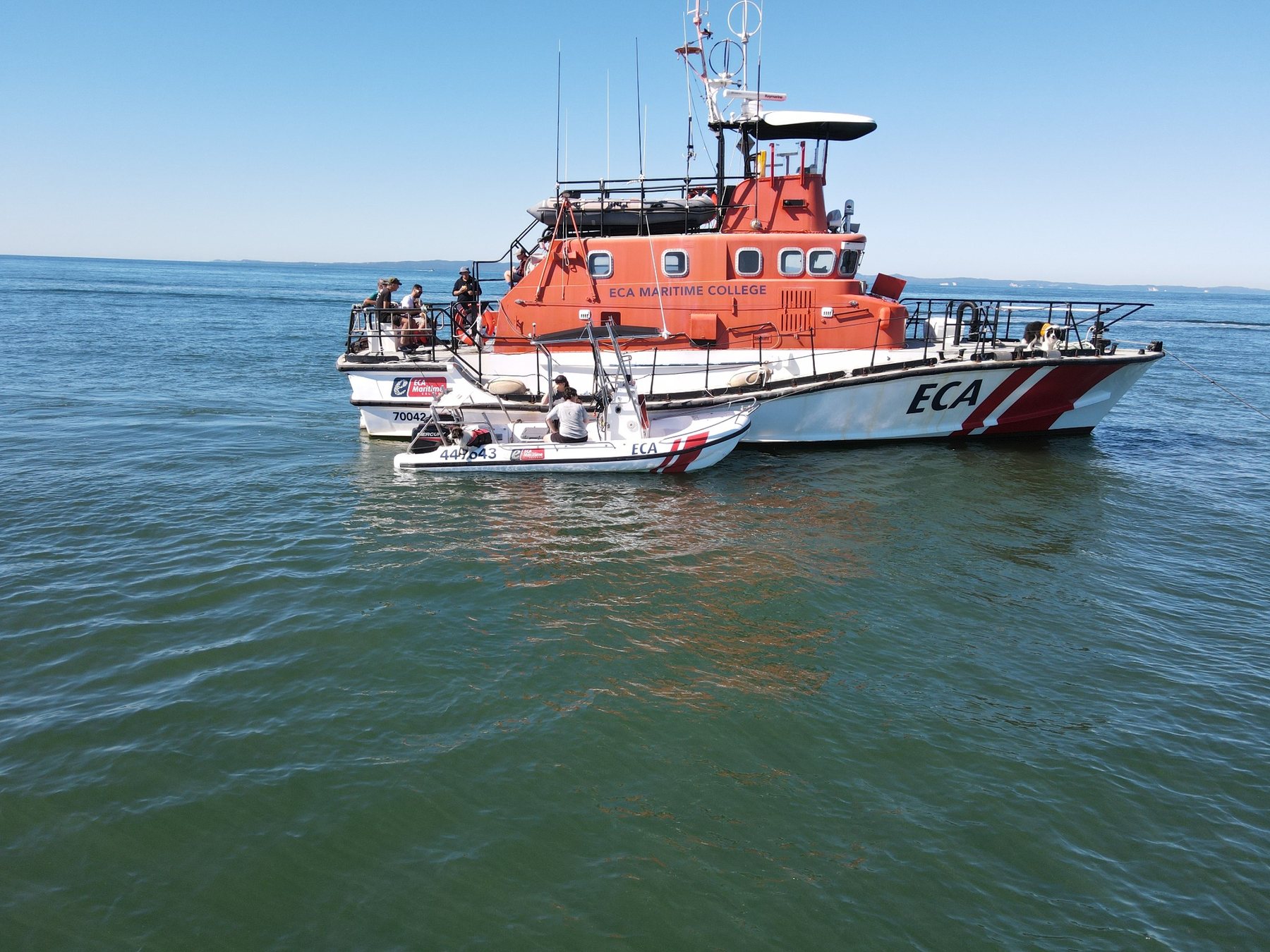
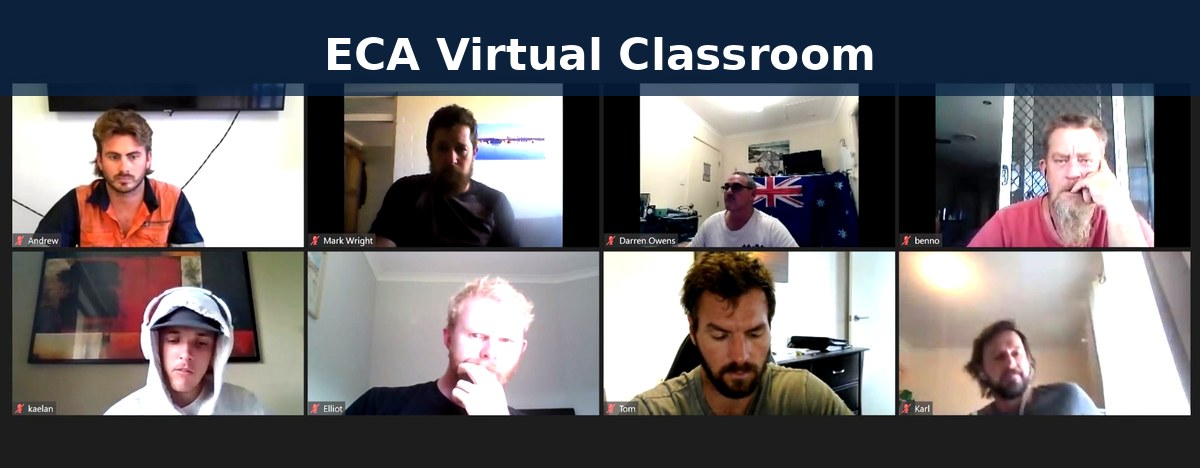
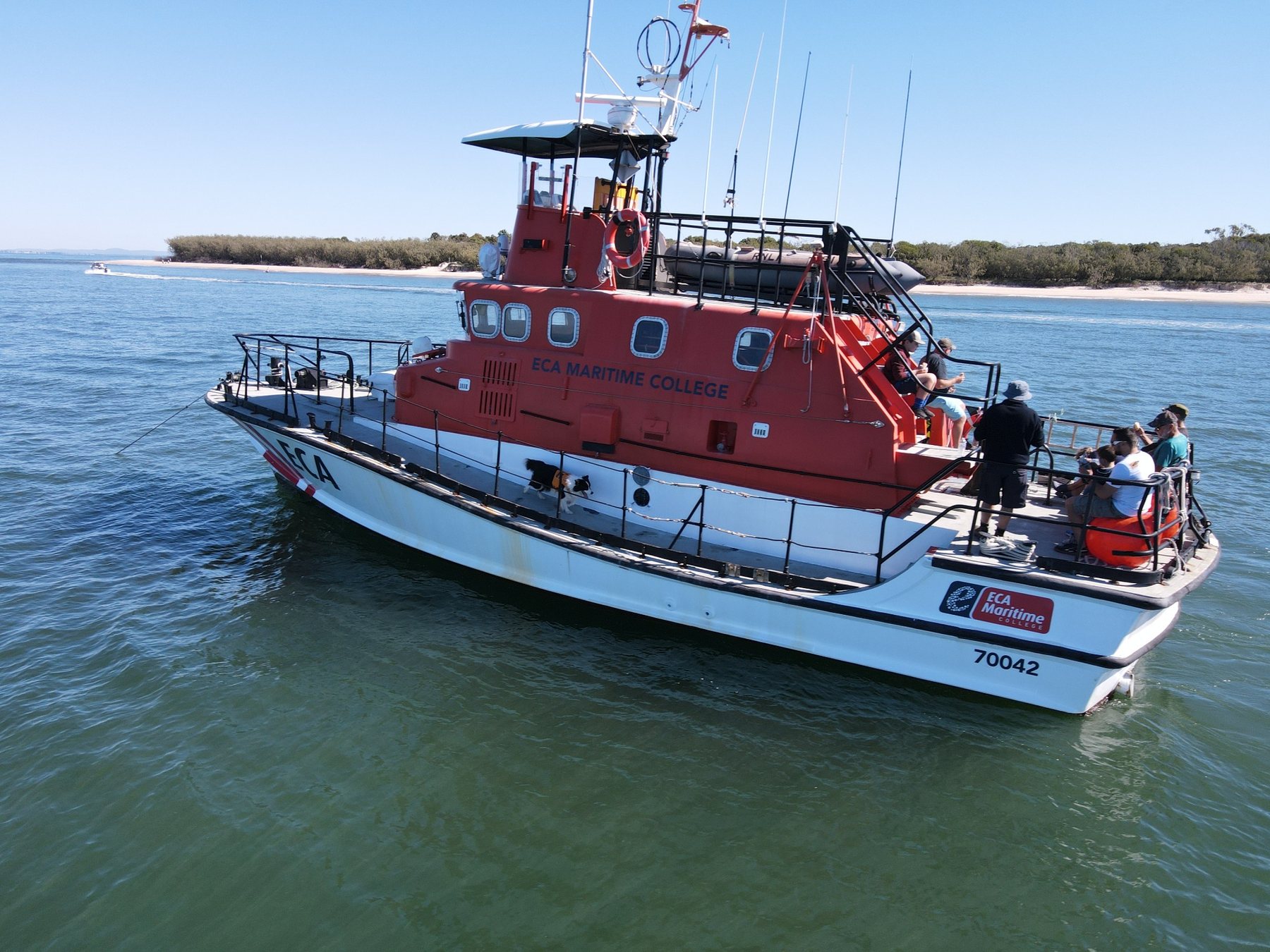
Commercial skipper roles
The skipper pathway
Work out what vessel you want to command
Choose the right course level
Complete training and practical assessment
Document suitable sea service
Apply for the certificate
Start with Coxswain
View marine licences
Need help choosing?
Why train with ECA Maritime College?
Commercial Skipper FAQs
What qualification do I need to become a commercial skipper?
Do I need sea service?
Can I study theory online?
Does ECA issue the licence?
Should I start with Coxswain or Master 24m?
What jobs can a commercial skipper do?
Is commercial skipper the same as a recreational boat licence?
Can I upgrade from Coxswain to Master 24m later?
Ready to plan your commercial skipper pathway?